




IN THE CITY-sponsored open house on revising the Willow Lake Management plan on February 21 we learned that chronically low water levels in the lake are leading to problems for water quality and wildlife. The revision, now in its public-comment period, will be designed to strategically address them as well as the larger picture of the lake’s purpose and amenities going forward.
Prescott Water Resources Manager Brian Ruiz said that due to the low water level, vegetation has started growing at the lake bottom, and as it goes through its life cycle, decomposition of dead plants will increasingly impact water quality. Persistent sedimentation of the relatively shallow lake must also be addressed periodically. While the City’s water and environmental teams have not yet set out specific answers to these issues, they say the management plan will consider the options through the lens of the community's strategies and goals.
The lake’s management plan was last updated in 1998. It addresses water quality and quantity, flood control, birds and other wildlife, and public recreation. Willow is quieter and hosts different plant and wildlife communities than Watson does, and an important the difference this time is that past management plans considered Watson and Willow Lake together; this one will focus specifically on Willow.
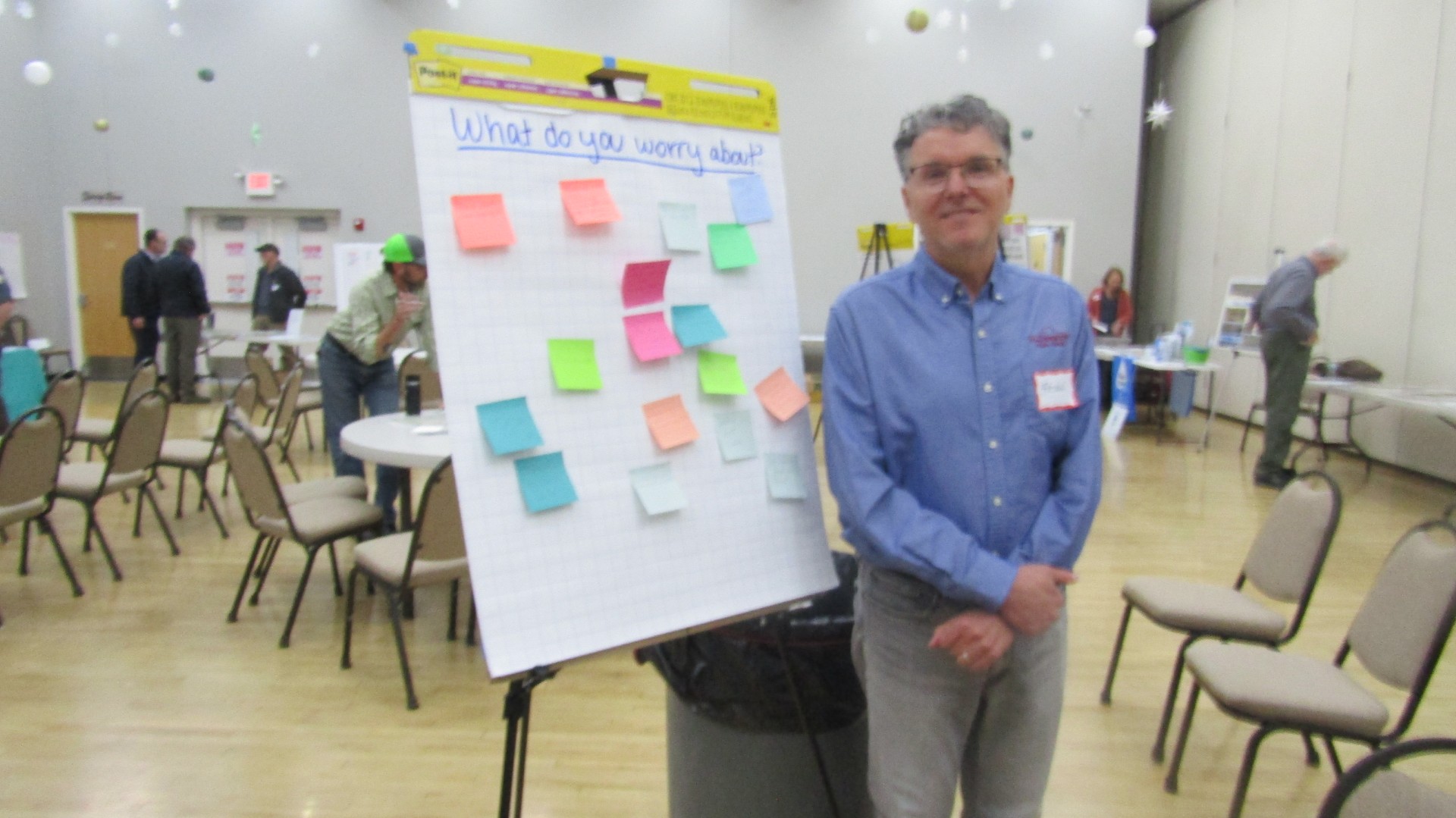
More local residents than tourists visit Willow Lake, and Ruiz says that’s why it’s very important to get local input on the management plan. The City is reaching out through workshops and social media for input from the public on what we want for and from the lake.
One of the lake’s most important functions as a reservoir is to recharge ground water, which eventually becomes our drinking water, so maintaining high water quality and reliable quantity is crucial. Ruiz said the shallower the water gets, the more problems arise. City environmental officials have to consider not only the solutions, but their costs as well. State and federal grants can be helpful there, but “We need to learn how to work with lower water levels,” Ruiz said.
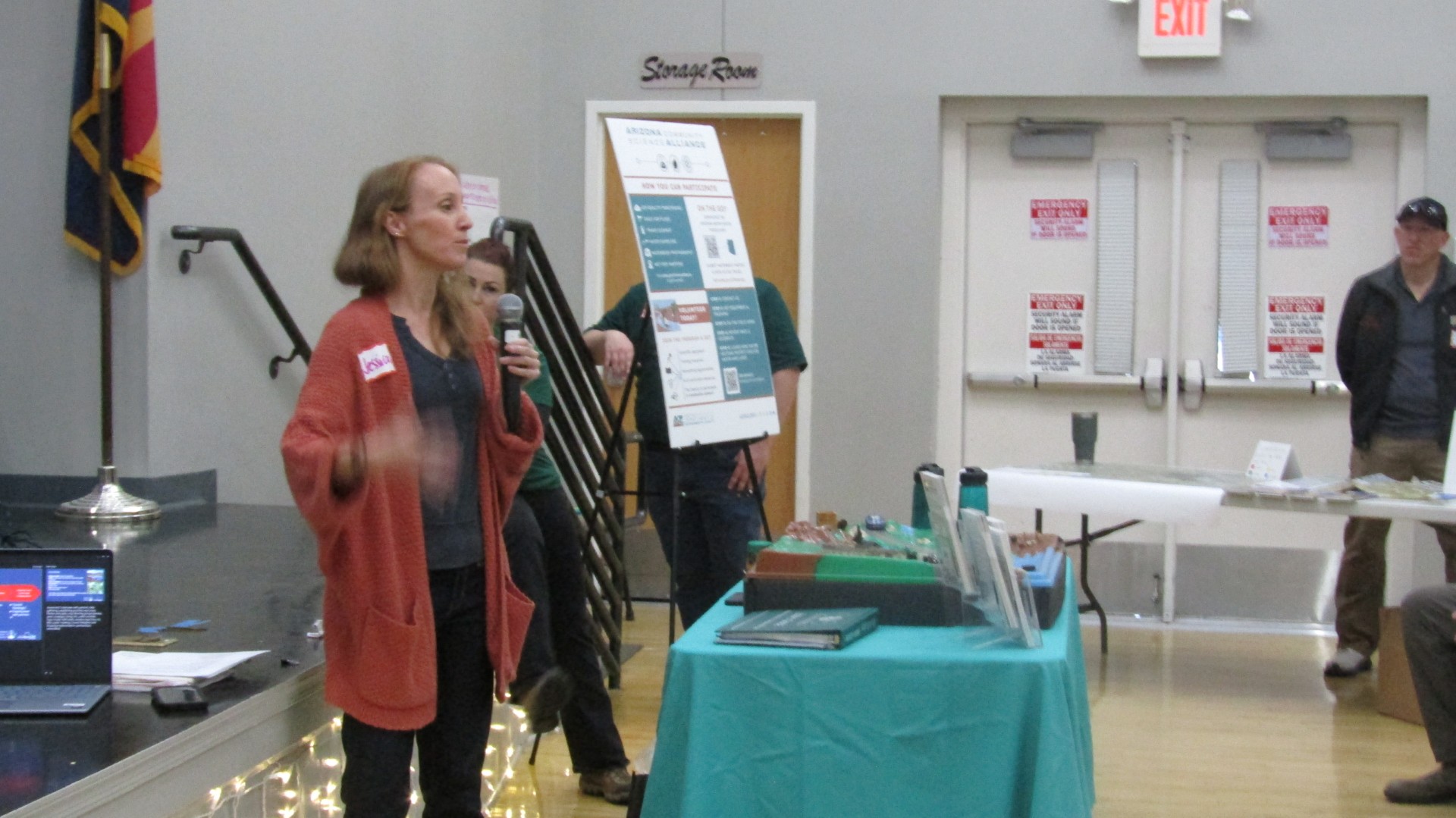
The lake-management planning process is an object lesson in collaboration and cooperation among the various City departments, County and State agencies, and nonprofits all weighing in along with the public. Part of that is the open house, held at The Center on Rosser Street, to help inform the public about the management plan and seek input.
Revision of the plan opens it up for improvement of bird and other wildlife habitats. Representatives from the city’s Community Nature Center and the Highland Center for Natural History were set up at the open house to talk about their ideas and related programs.
On the day after the open house I walked the Willow Lake nature trail, and was ecstatic to find that the double-crested cormorants and herons had returned to their nesting sites. The cormorants were plentiful, talking up a storm, and the herons were dancing in flight. Some birders were out there gawking as well, as they described it. Three other trailwalkers were talking about the porcupines they’d spotted.
Willow Lake is a joy for Prescott residents to have right in our own back yard, where I find eagles, owls, hawks, turtles and my beloved frogs at various points on the calendar. The management-plan revision process offers us a wonderful opportunity to further protect and support our nonhuman neighbors as well as the education and enjoyment they provide us.
Matt Killeen, environmental project manager for the City, notes that Willow Lake is part of a vital wildlife corridor, and designated sanctuary areas for migrating birds on parts of the lake limit what the city can do within them. He adds that the lake hosts some some rare native plants and birds that must be protected.
Another part of the management plan will help direct visitors to different parts of the park for certain recreational activities, including rock-climbing, hiking and getting close to the water.
Prescott Environmental Project Manager Jeremy Cordova is taking point on assembling recommendations for the new management plan. He said the key to his work will be effective public outreach and education regarding water, recreation and vegetation.
Cordova said part of the work is removing invasive plant species, which both use a lot of water and impact native species. He points out that once the invasive species are removed, the native species naturally grow more quickly.
Revision of the Willow Lake Management Plan has been underway for about six months, and the City officials hope to have it finished later this year. A key component of that will be public input, and the City is actively seeking public comments.
The City has also contracted with Southwest Decision Resources, a professional rehabilitation team, to work with City agencies and community groups on the plan. SDR’s Jessica Olsen is overseeing that work, and at the open house she offered an overview of the planning process and signed residents up for email updates.
For more information call Prescott Public Works at 928-771-1130.


