

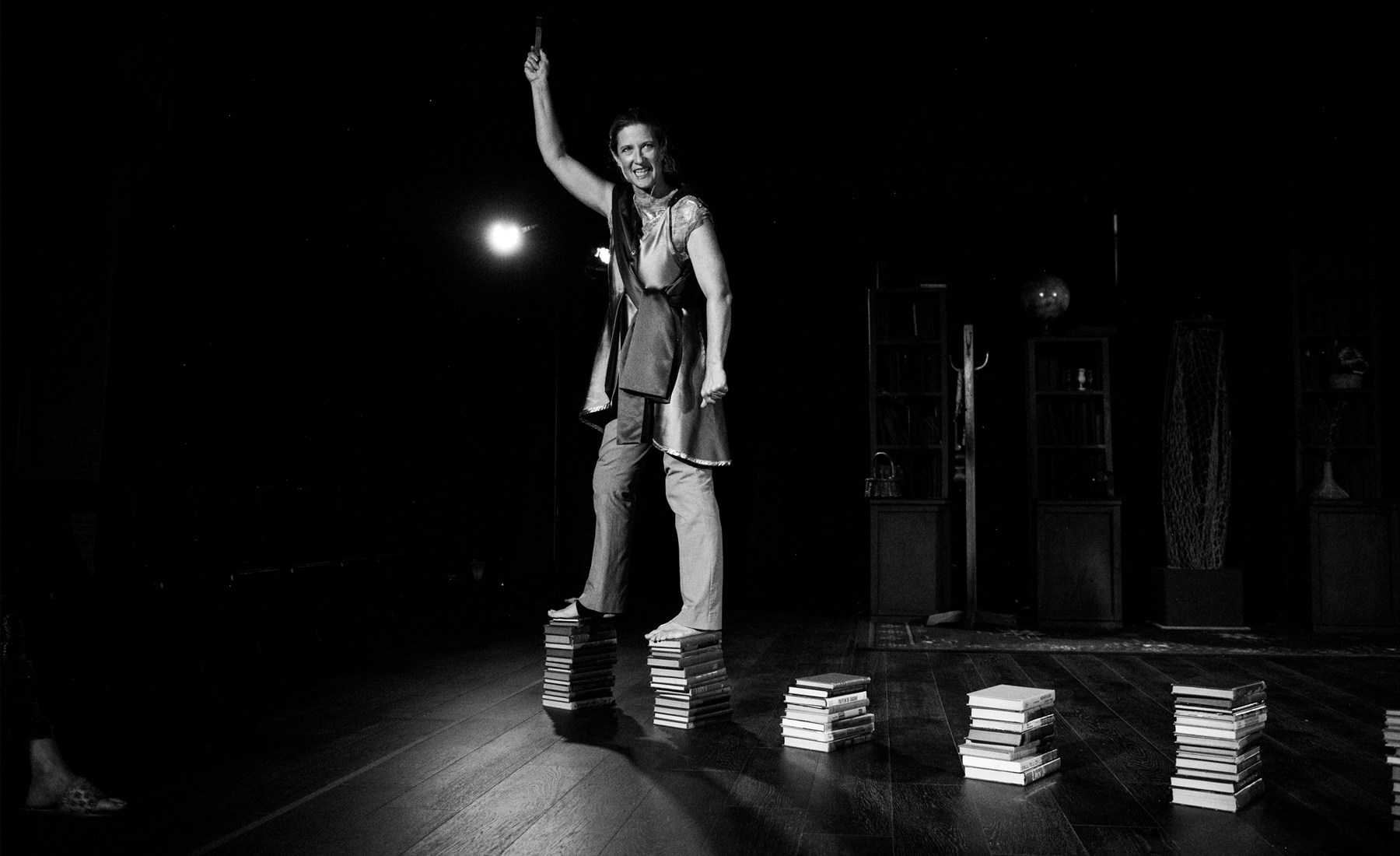
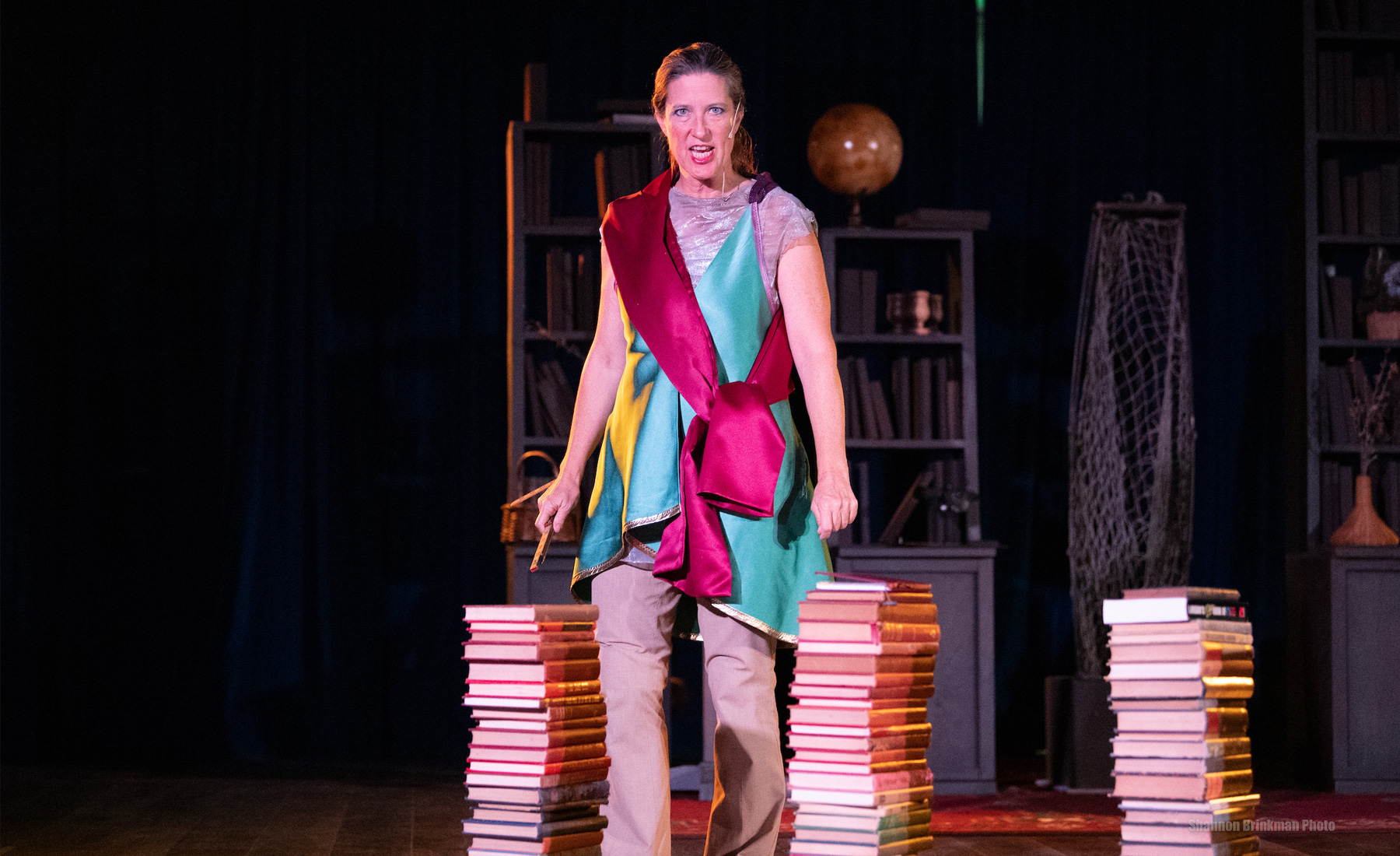
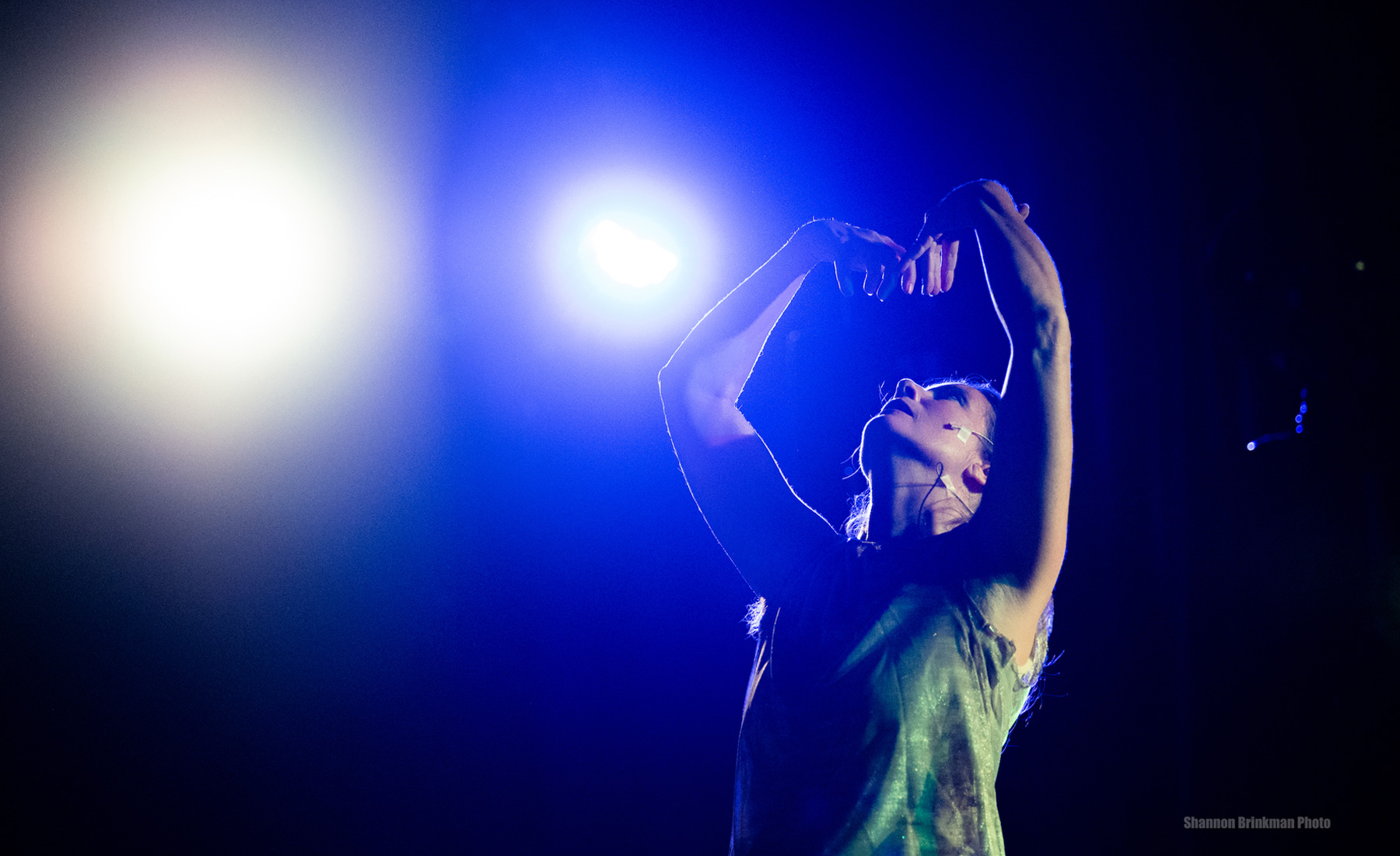
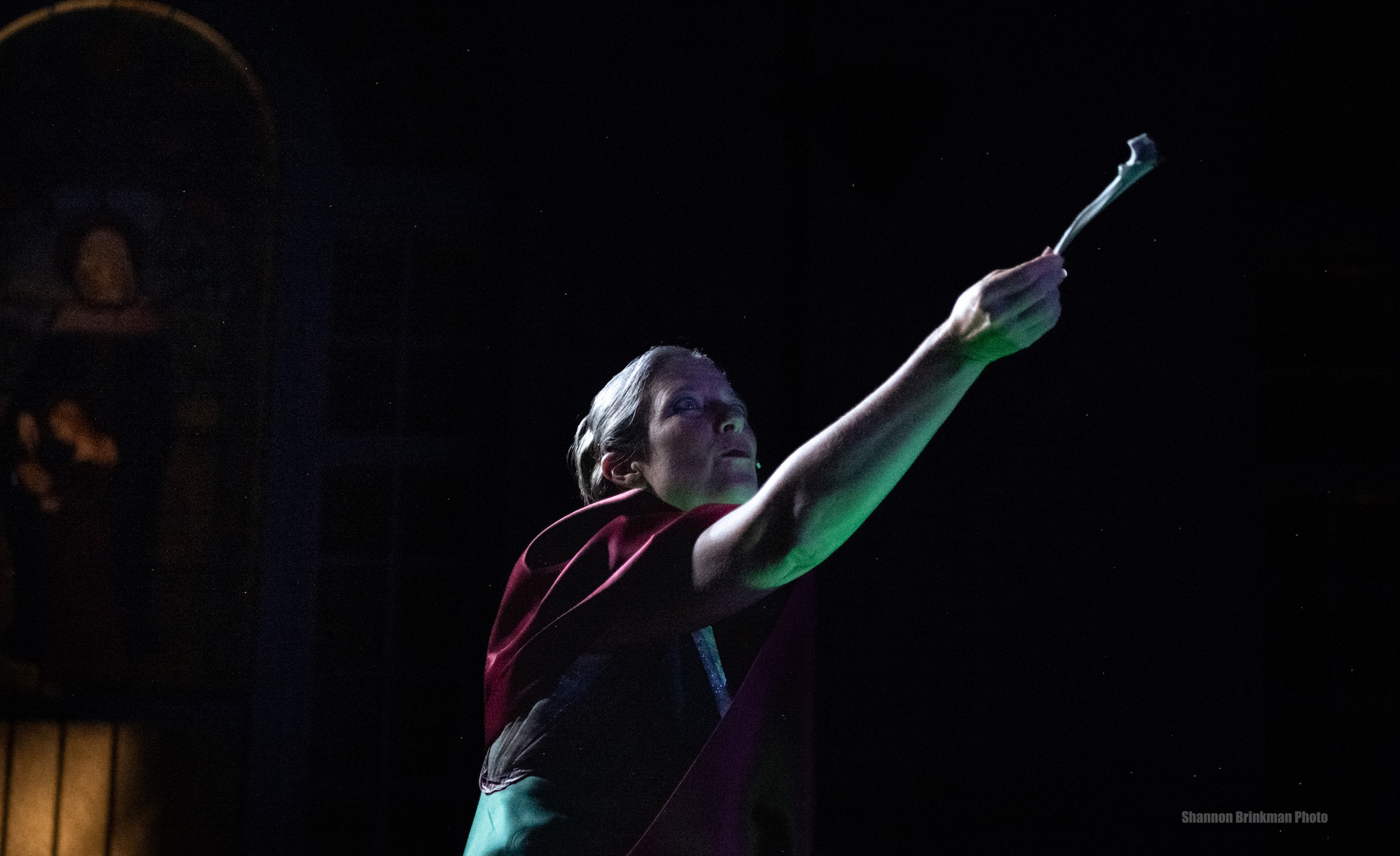
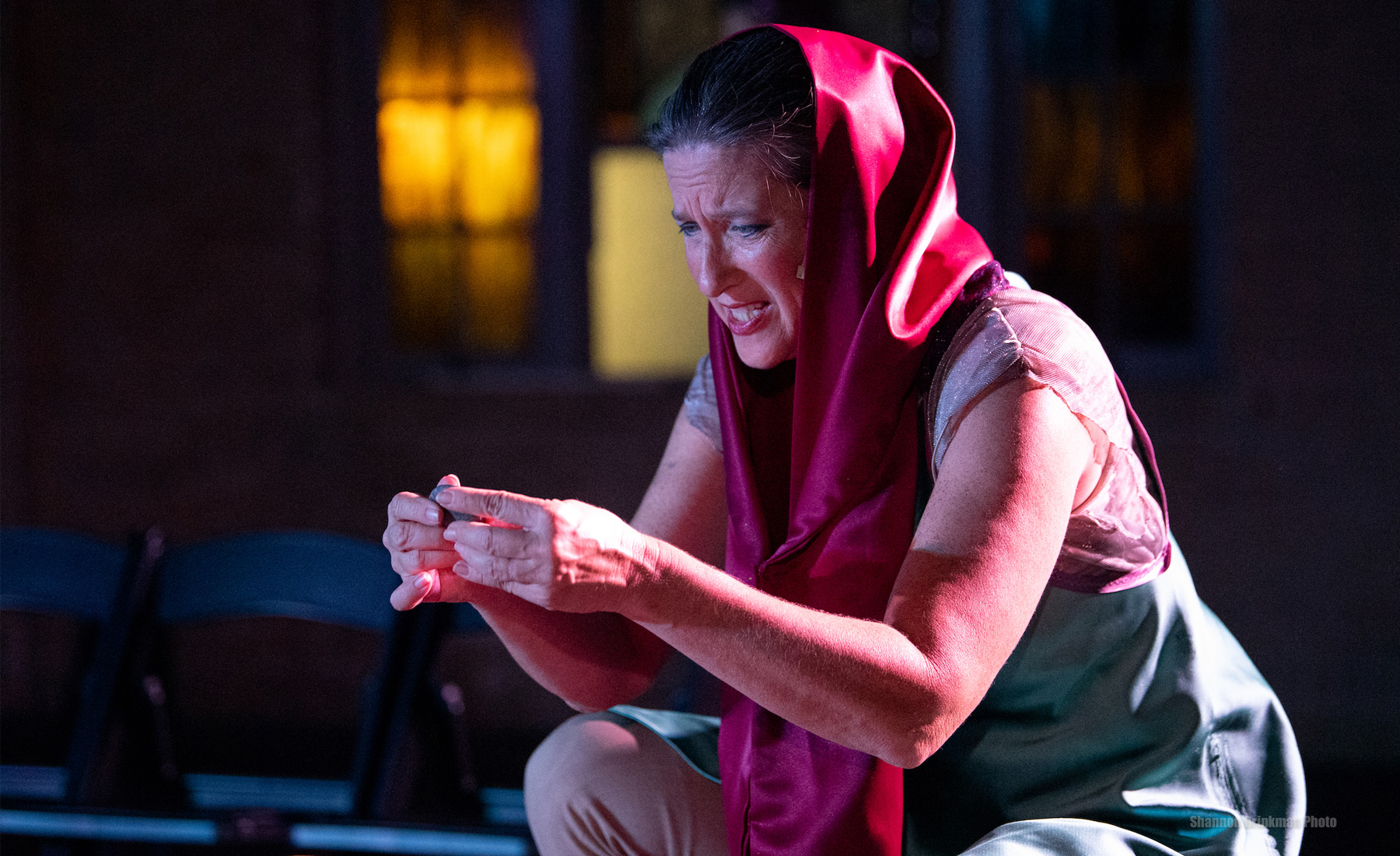
When director, writer and producer Kathy Randels arrives in Prescott this winter, she brings with her far more than a performance. The Road to Damascus (As Told by Grandmother to Little Red) arrives as a reckoning — part prayer, part parable, part call to conscience, rooted in decades of artmaking inside prisons, faith communities and public spaces hungry for truth.
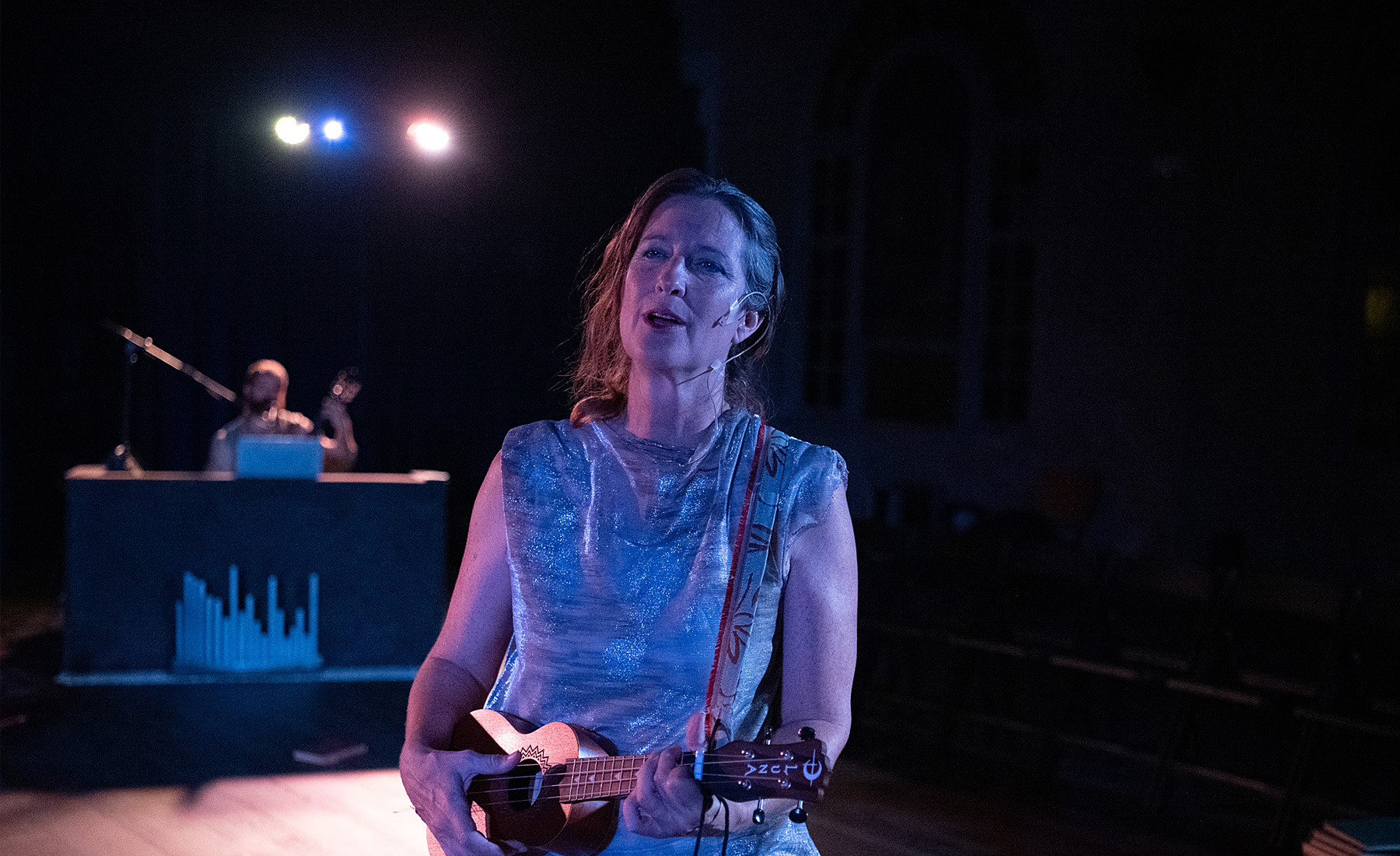
The solo work blends live music, biblical narrative, and fairy-tale archetypes to examine how Christianity has been used historically and currently to justify violence, incarceration and racial inequity in the US.
At its core The Road to Damascus draws from Acts 9 of the New Testament: Saul’s blinding encounter on the road, his transformation into Paul, and his radical change of heart. Randels reframes that moment through a striking lens: an incarcerated grandmother telling the story to her granddaughter during prison visits. In her retelling, Saul becomes a prison guard, Little Red Riding Hood’s Wolf and Huntsman blur into questions of predator and savior, and the audience is asked to sit with an uncomfortable truth: we often inhabit all three roles — victim, perpetrator, and rescuer — at different moments in our lives.
“It’s about questioning the righteous use of violence,” Randels says, “and asking whether we’re willing to have our own Damascus experience.”
Randels is the artistic director of ArtSpot Productions, based in New Orleans, and co-founder of the LCIW Drama Club at the Louisiana Correctional Institute for Women, a program she has led since 1996. Much of Damascus grew directly from that work, particularly from her relationship with Gloria ‘Mama Glo’ Williams, a Drama Club member who served 51 years behind bars before finally being released in 2022 after a long, faith-led advocacy campaign. What began as a prayer for Mama Glo’s freedom evolved into a larger interrogation of faith, punishment, and moral responsibility. The piece premiered in 2022 and has since traveled to churches, theatres and communities across the country, often accompanied by post-show conversations that extend the work beyond the stage.
Faith, Power, and Responsibility
Raised as the daughter and granddaughter of Southern Baptist preachers, Randels does not reject Christianity, she wrestles with it. The performance confronts how Christian language and theology have been manipulated to uphold white supremacy and punitive justice systems, particularly in states like Louisiana, where incarceration rates and racial disparities remain extreme.
At a moment when American Christianity feels increasingly polarized and politicized, The Road to Damascus insists on returning to the heart of Christ’s teachings: mercy, accountability and transformation.
Presented at The Hazeltine, a former church turned cultural gathering space, the work invites audiences into a shared act of witnessing, reflection and dialogue.
The Road to Damascus will play at The Hazeltine February 27–March 1. For more visit the-hazeltine.com.


